
💧 How do you replace the water in your swimming pool?
, by Rijo Veldhuis, 4 min reading time
, by Rijo Veldhuis, 4 min reading time
After a season full of swimming fun, it is sometimes necessary to completely replace your swimming pool water. Despite regular maintenance, chlorine, and filters, the water can become cloudy over time, difficult to keep balanced, or simply stop feeling fresh. In this blog, you can read when and how it is best to replace your pool water, and what you need to pay attention to.
Although good maintenance keeps the water clean for a long time, there are moments when a complete replacement is inevitable. For example:
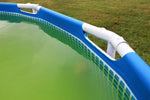
The water is opaque or green and can no longer be restored with chemicals
The chlorine level or pH is difficult to regulate
After prolonged use without sufficient filtration or care
At the end of the season for certain above-ground pools
For above-ground pools, it is common to replace the water annually. For in-ground pools with a good filtration system, this is often only necessary after a few years.
Use a drain valve or a submersible pump to drain the water in a controlled manner. Ensure the water ends up in a place where it won't cause damage — so not in a flower garden or towards the neighbors.
Use this opportunity to clean the pool properly:
Scrub the walls with a soft brush
Remove limescale and dirt residues with a pool cleaner
Optionally use a vacuum or manual cleaner for the bottom
Clean the filter installation, replace the filter sand or cartridge if necessary, and check that everything is still working properly. A clean filtration system is essential for clear water.
Let the pool fill up again with fresh tap water. Use a garden hose with a pre-filter if you live in an area with hard water or high iron/lime content in the water.
Once the pool is filled, test the water with a test kit or strips:
pH level should be between 7.2 and 7.6
Chlorine level between 1 and 3 ppm. Add the appropriate agents to properly adjust the water balance.
After filling, let the pump run for at least 24 hours to properly mix all chemicals and filter the water evenly.
Cover your pool with a pool cover when not in use
Clean the filter regularly and replace the medium in time
Occasionally add a flocculant to bind small dirt particles
Keep the water level stable (top up when evaporation occurs)
Replacing your pool water might seem like a chore, but with good preparation, it’s done in no time. By using clean and balanced water, you extend the lifespan of your pool and enjoy clear, fresh water during every swimming season.
Do you have any other tips or questions about replacing pool water? Feel free to let us know in the comments! 🏖️